2025 Corporate Fast
GUIDELINES FOR 21 DAYS OF PRAYER & FASTING
WHY WE Start Our YEAR with 21 days of Prayer & FASTING
We dedicate the first 21 days of the year as a focused time of prayer, fasting, reflection, and seeking a deeper connection with God. During this time, we prioritize humility. Part of that involves a complete or partial fast as a way to posture ourselves, though discipline and sacrifice. Doing so moves our mindset from a place of being primarily self-centered into a greater awareness of being God-centered. As we take time to seek God in humility, we increasingly find His peace and His power, as we see our need and our dependence on His presence.
The purpose of the fast is not solely about abstaining from physical nourishment but also about redirecting attention from material concerns to spiritual growth. Our goal is to fosters humility, repentance, and a heightened sensitivity to the Holy Spirit.
The 21-day fast serves as a specific time that we, the members of City of Hope International Church, set apart as a corporate expression of our shared spiritual journey. During this time we want to draw us closer to God individually and corporately as we experiences a transformative renewal of mind and spirit.
Preparing for our time of Prayer
Get ready to embark on a journey of prayer. Discover the benefits of prayer, explore scriptures that align and prepare our hearts, and dive into our focused prayer plan for the next 21 days.
Beginning your Fast
The goal to having a successful fast begins with recognizing what a fast is (and what a fast isn’t). Fasting is the complete or partial abstaining of food as part of a specific time set apart and dedicated to humility, prayer, and seeking God.
Fasting alone without incorporating humility, prayer, and deliberately seeking God is little more than a hunger strike and many times becomes more an act of the will than something that produces a meaningful encounter with God.
Fasting isn’t a diet. Fasting is about going without food. Fasting isn’t about finding clever ways to make “delicious meals”: that technically qualify as alternatives.
When it comes to determining which foods to give up during your fast, start by asking God. That is different for everybody and can change depending on the season you are in. Your goal in preparing for a fast is all about finding the fast that God has for you.The best way to find the Fast that is best for you, is to find the place where your mind is easily focused on God and spiritual things, while still being challenged to move outside of your typical comfort zone.
As you begin your time of prayer and fasting you will find you have an increased spiritual energy and you can feel the fast working despite the onset of hunger.
When most people start fasting, there is typically some level of discomfort. However, it is possible to get used to the fasting routine pretty quickly. Quite simply, you must learn to fast in a way that works for you. While any true fast does involve abstinence from food or at least certain types of food, typically, different fasting combinations work better for different people.
If you are new to fasting, we recommend you begin with small steps. Fast a meal our two each day, or give up specific foods for the 21 days. Fasting is not about impressing God with our will-power. Attempting to do things in our own strength usually ends up failing and causing a feeling of defeat because we “couldn’t do it”. Fasting is about a God-centered focus.
On a practical note: If you drink coffee (or other high caffeine drinks) regularly, it is very difficult to simply cut caffeine out abruptly and completely. We strongly recommend that you don’t do that. You will most likely spend much the first week of the fast grumpy and in withdrawal instead of enjoying God’s presence. If you want to fully give up caffeine we suggest phasing that in over the first week and the going the rest of the fast without caffeine.
Mixing things up a bit during a twenty-one-day fast is what typically works best for people. For example, do a fruits and vegetables fast for a week. Then do all liquids for a while. Maybe even mix in a few days of only water if you think you are ready for that. Then go back to fruits and vegetables for a few days.
Remember whatever foods we eat during our fast, we are doing so with an emphasis on humility and “going without”. During a fast we aren’t simple eating from an alternate menu with the goal of being full and satisfied. Fasting is not about food substitutions. Fasting is about giving up enjoying food.
There isn’t one approach that works the same for everyone. Follow the Holy Spirit, mix it up, and find what works for you! If you fall off track, don’t let guilt get the best of you. Don’t get discouraged. Don’t give up. Fasting is a discipline that we grow in over time.
Choose your type of Fast
While preparing for your fast, it is important to choose ahead of time what type of fast, or what combination, you will pursue. Not only will this help with making the necessary preparations, but as you commit to a specific fast ahead of time and know how you’re going to do it, you will position yourself for a successful and rewarding outcome.

Full fast
Drink only liquids—especially water. On this type of fast, you may also take in clear broth and 100 percent fruit and vegetable juices in order to maintain your strength.
Partial Fast
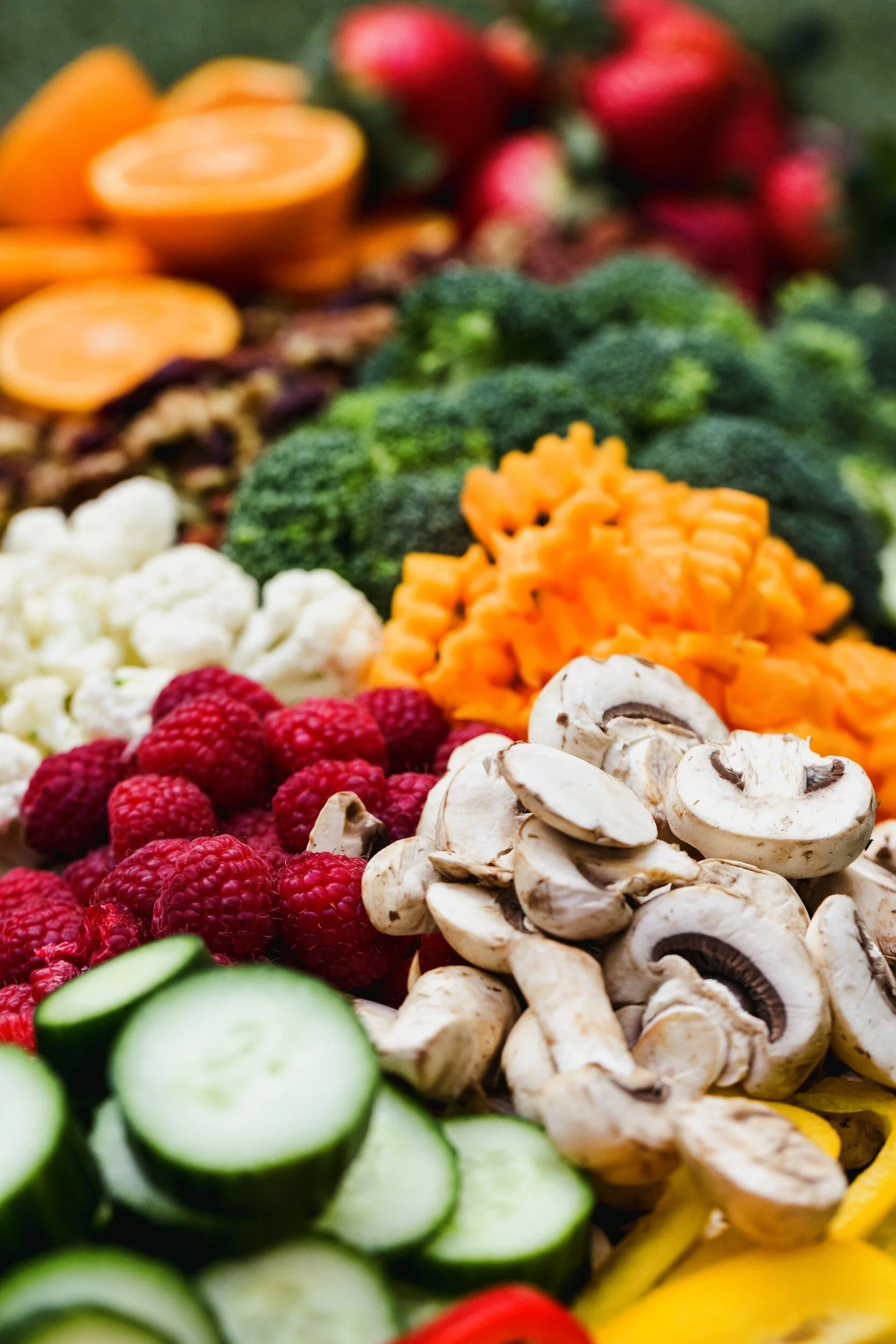
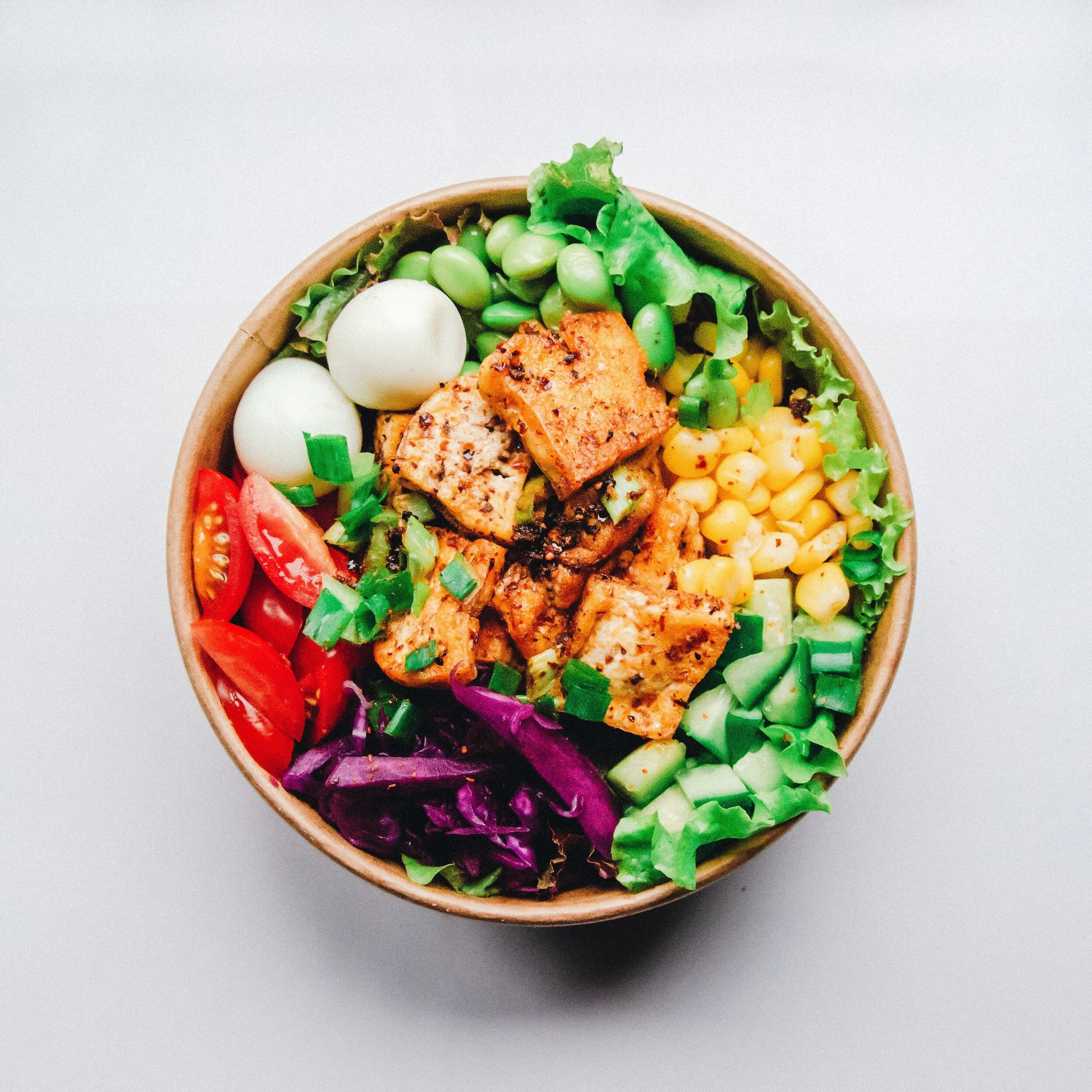
There are many options for partial fasts. The most frequently used example of a partial fast is a fast from meats, sweets, breads, and any drink, except water, for a specific time period. The easiest way to think of this fast is by eating only vegetables and fruits, and drinking only water.
other Types of partial Fasts
Giving up one item of food or drink such as caffeine, coffee, soft drinks, or sweets
Giving up one meal a day for a specific amount of time, one meal a week, etc.
Fasting for a set time during the day. For instance, from 6:00am to 3:00pm or from sun-up to sundown.

Specific Food Fast
You omit a specific item(s) from your meals. For example, you may choose to eliminate all red meat, processed or fast food, or sweets. Most people can incorporate this type of fast relatively easily. It can also prove to be a great solution for people with specific dietary needs or medical conditions that may cause certain limitations.
Juice Fast
A juice fast is consuming vegetable and fruit juices and water instead of solid food. This is one of the most popular and effective fasts. Even if you choose not to make your entire fast liquids only, substituting one or two meals for liquids is a great alternative.
Daniel Fast
The Daniel fast is a great model to follow and one that is extremely effective for spiritual focus, bodily discipline, and purification of the body and soul. It is one of the most commonly referred-to fasts; however, within the Daniel fast there is room for broad interpretation. Daniel 1 states that he only ate vegetables and water, and in Daniel 10, while the passage does not give a specific list of foods that Daniel ate, it does state that he ate no rich (or choice) foods, as well as no meat or wine. So based on these two verses, we can see that either of these or combinations of the two, constitute a Daniel fast.
It is important to reiterate that there is nothing inherently MORE spiritual about one type of fast as opposed to another. Your goal should be to seek God in prayer about this and follow what the Holy Spirit leads you to do.
The importance of a fast is the heart of Our sacrifice Through humility and prayer- Disconnecting from regular luxuries for the sake of connecting more closely with God. Only you and God know what that looks like in your daily life.
WHAT DO I DO DURING MY FAST?
In the Bible, fasting is almost always partnered with prayer (Ezra 8:21,23; Luke 2:36-37)
During times when you would normally eat you may want to:
• Worship (Nehemiah 9:1-3; Acts 13:1-3)
• Petition (Daniel 9:3,17)
• Read the Word of God (Nehemiah 9:1-3; Jeremiah 36:6)
• Ask for direction and guidance (Judges 20:19-46; Ezra 8:21)
• Repentance (Joel 2:12-17)
during this 21 days of fasting we are setting aside specific times during the day to be dedicated to a specific prayer focus. (YOu can sign up in the app for push notifications, to be sent as a reminder during the day of our prayer focus.)
Monday - Thursday evenings we will be meeting at the church from 6:30pm-7:30pm for a time of worship and prayer.
Practical Tips for Fasting
1. Start slow. If you’ve never fasted before, begin with just one meal.
2. Continue to drink water to stay hydrated. While some individuals in the Bible fasted from both food and water, this choice can be dangerous if you’re not experienced with fasting or haven’t consulted a medical professional.
3. If you’re accustomed to drinking caffeine, don’t stop suddenly. Decrease your intake for a few days before you fast or you may suffer headaches.
4. Don’t overeat before or after your fast. Eat smaller, healthier meals, including raw foods before and after.
5. Fasting is meant to be humble, and not used to promote “self”. Don’t brag about fasting. Try to keep it to yourself, but don’t be afraid to talk about it in humility. Try to be considerate of others in your schedule if you fast.
6. Make a firm, prayerful commitment before you begin that you can remember while you’re fasting. Your commitment to fast is between you and God, so be sure to make a sincere, wholehearted commitment.